Japan's capital city is redefining pet ownership in dense urban environments, with neighborhoods like Shibuya, Setagaya, and Minato leading the way in pet-friendly infrastructure and community acceptance.
資料說明:本文為 MyPawFolk 獨立編寫的城市指南,整合公開的產業資訊、市場調查與實地觀察。文中建議僅供參考,實際情況請以當地最新政策和規定為準。
Tokyo, a city once notorious for its challenging pet-friendly housing market, is experiencing a remarkable transformation. According to recent guides from e-housing.jp and Joyn Tokyo, several neighborhoods have emerged as havens for pet owners navigating Japan's compact urban landscape.
The Top Pet-Friendly Neighborhoods
Shibuya, Setagaya, Minato, and Kichijoji have distinguished themselves as Tokyo's premier pet-friendly districts. These areas offer a combination of accessible green spaces, pet-welcoming businesses, and crucially, a growing stock of pet-friendly rental properties—historically a significant barrier for pet owners in Japan.
Setagaya Ward, in particular, has become synonymous with pet-friendly living. The area boasts numerous parks where dogs can exercise, including several with designated off-leash zones. Local veterinary clinics, pet supply stores, and grooming salons cluster throughout the neighborhood, creating a comprehensive pet care ecosystem.
Designated Pet Parks Transform Urban Spaces
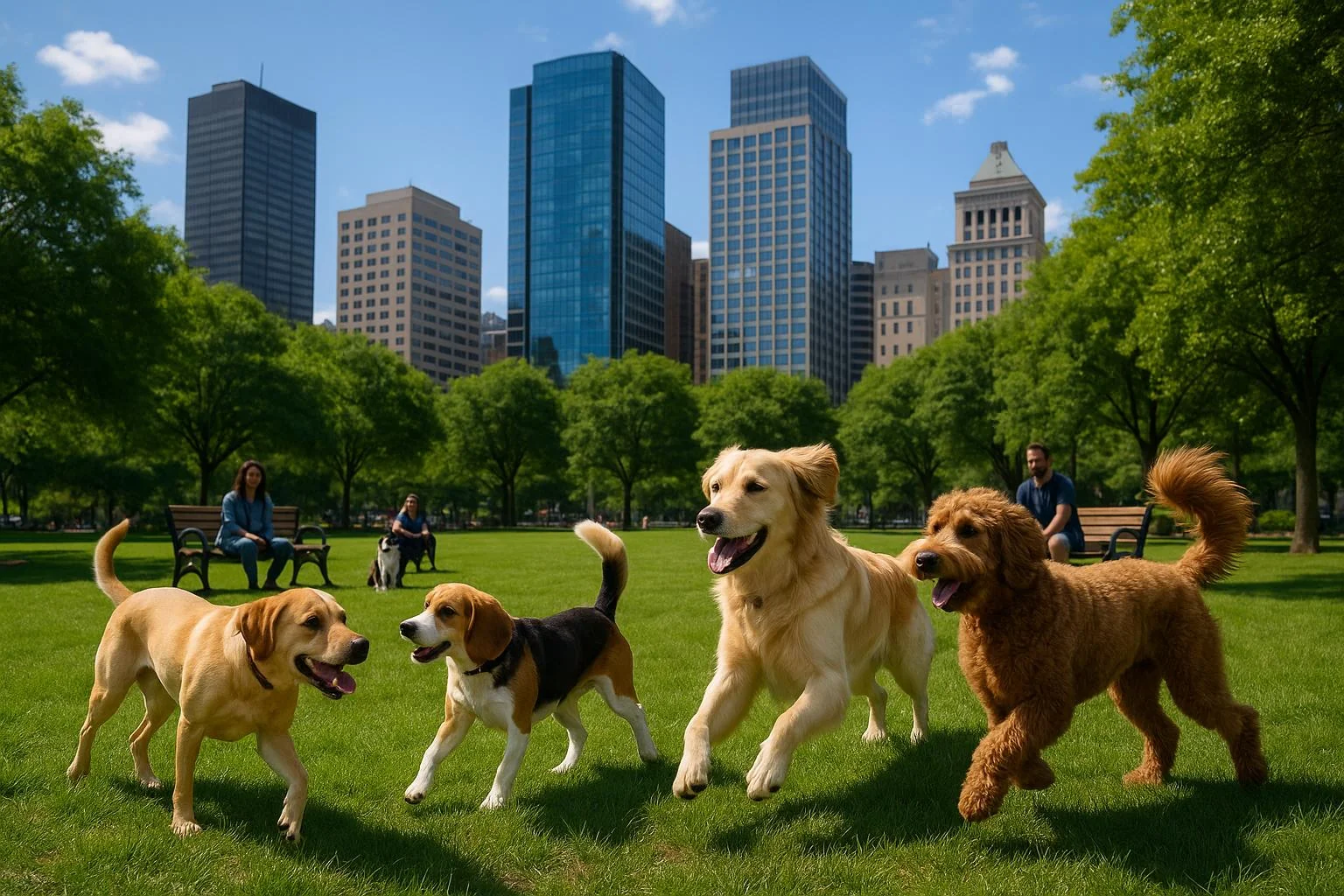
Tokyo and Osaka have invested in designated pet parks that go beyond simple green spaces. These facilities feature off-leash areas where dogs can socialize freely, and some even include agility courses and specialized equipment for pet training and exercise.
The parks serve as community hubs where pet owners gather, exchange information, and build social networks. This community aspect has proven particularly valuable for foreign residents and newcomers to the city, providing an accessible entry point into local social circles.
The Housing Challenge: Progress and Persistence
Despite improvements, finding pet-friendly housing in Tokyo remains more challenging than in many Western cities. According to Tokyo Portfolio's comprehensive guide, prospective tenants must navigate specific rules and regulations that vary significantly by property.
However, the market is evolving. Property developers increasingly recognize pet owners as a valuable demographic, leading to purpose-built pet-friendly apartment complexes with features like reinforced flooring, pet washing stations, and nearby exercise areas. These developments command premium rents but offer peace of mind for pet owners.
Pet Services Ecosystem Expands
The growth in pet-friendly neighborhoods has catalyzed an expansion of pet-related services. From daycare facilities to specialized pet hotels, Tokyo's pet service industry has matured significantly. Pet insurance, once a rarity in Japan, has become increasingly common, with multiple providers offering comprehensive coverage options.
Veterinary care has also evolved, with many clinics now offering extended hours and emergency services. Some neighborhoods feature veterinary hospitals with advanced diagnostic equipment rivaling human medical facilities, reflecting the deepening bond between Japanese pet owners and their animals.
Cultural Shift in Pet Ownership
The transformation of Tokyo's neighborhoods reflects a broader cultural shift in Japanese attitudes toward pets. Younger generations increasingly view pets as family members rather than mere companions, driving demand for pet-friendly amenities and services.
This shift is particularly pronounced in urban areas, where declining birth rates and changing family structures have contributed to rising pet ownership. For many Tokyo residents, pets provide companionship and emotional support in a fast-paced, often isolating urban environment.
Practical Considerations for Pet Owners
Prospective pet owners in Tokyo should consider several factors when choosing a neighborhood. Proximity to veterinary services, access to green spaces, and the availability of pet-friendly housing are primary concerns. Additionally, understanding local regulations regarding pet ownership, including registration requirements and leash laws, is essential.
Transportation presents another consideration. While Tokyo's public transit system is extensive, policies regarding pets vary by operator. Small pets in carriers are generally permitted, but larger dogs face restrictions during peak hours on many lines.
Key Takeaways
- Shibuya, Setagaya, Minato, and Kichijoji lead as Tokyo's most pet-friendly neighborhoods
- Designated pet parks with off-leash areas and agility courses are expanding across Tokyo and Osaka
- Pet-friendly housing availability is improving but remains more challenging than in Western cities
- Comprehensive pet services ecosystem including insurance, daycare, and advanced veterinary care
- Cultural shift toward pet humanization driving infrastructure development
Sources: This article draws on information from e-housing.jp's 2025 guide, Joyn Tokyo, 3D Universal, and Tokyo Portfolio.
資料說明
本文內容整合自東京房地產平台、寵物友善住宅指南及在日外籍人士資源網站公開資訊
References
- E-Housing Japan. "The Best Places for Pet Owners to Live in Tokyo (2025)." August 14, 2025.E-Housing Japan
- Real Estate Tokyo. "Pet Friendly Rental Apartments and Houses in Tokyo." 2025.Real Estate Tokyo
- Wagaya Japan. "Tokyo pet friendly apartments for rent." 2025.Wagaya Japan
- 3D Universal. "Pet-Friendly Housing in Tokyo: A Complete Guide for Expats." 2025.3D Universal