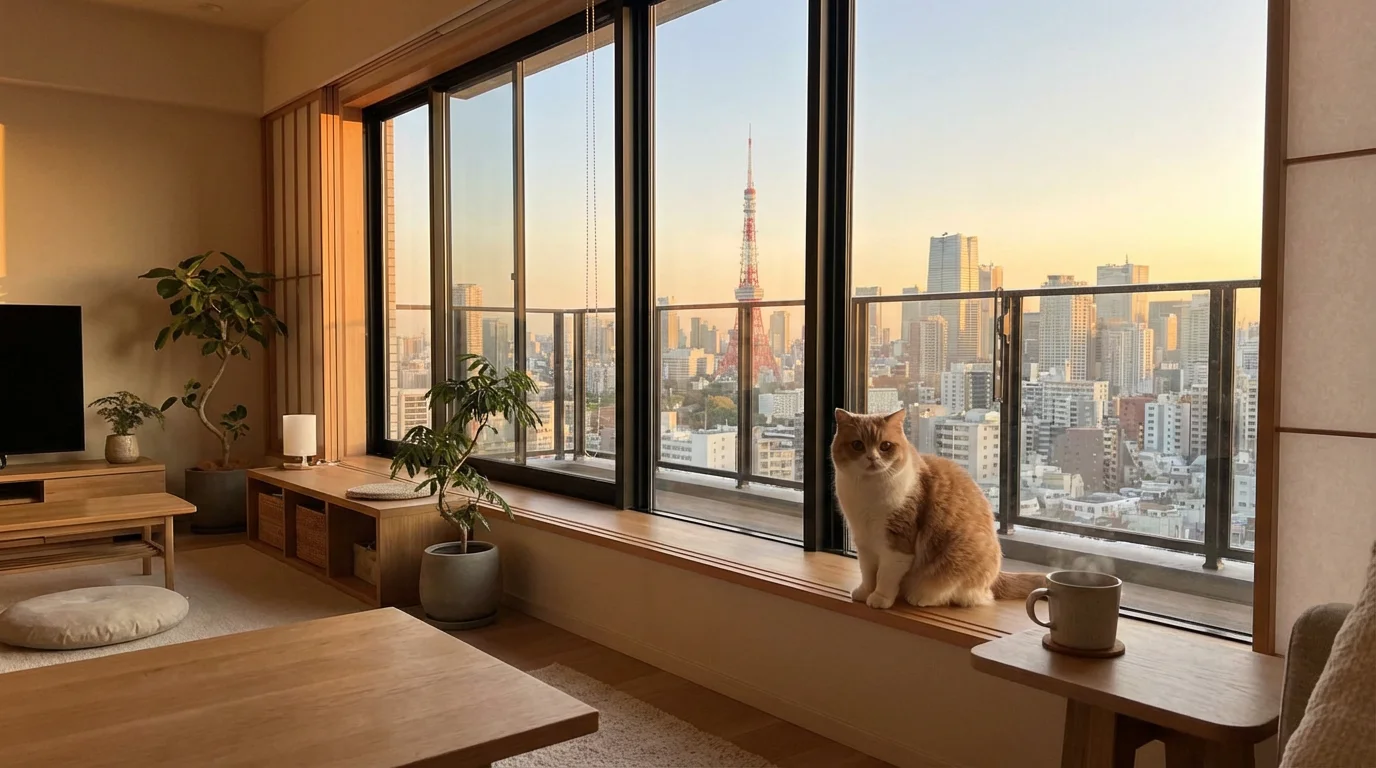
Japan's cat market is experiencing unprecedented growth, with spending projected to reach ¥2.9 trillion (approximately $19.6 billion) in 2025, according to economist Miyamoto Katsuhiro. This surge reflects a fundamental shift in Japanese pet ownership patterns, with cats now outnumbering dogs and commanding an increasingly significant share of consumer spending.
Executive Summary
According to GlobalPETS (Global Pet Industry), citing economist Miyamoto Katsuhiro, Japan's cat-related spending is expected to approach ¥3 trillion ($19.6 billion) in 2025. This projection is supported by robust growth in cat ownership, which reached 9.1 million cats in 2023 compared to 6.8 million dogs, marking a historic reversal in pet population dynamics.
Key Market Indicators
Projected Cat Market Size (2025)
¥2.9T ($19.6B)
Cat Population (2023)
9.1 Million
Dog Population (2023)
6.8 Million
Pet Population Change (2018-2022)
-1.5%
The Cat-Dog Population Reversal
Historical Context
Japan's pet landscape has undergone a dramatic transformation over the past two decades. According to data from the Japan Pet Food Association cited by GlobalPETS, the dog population has declined significantly from 13 million in 2008 to 6.8 million in 2023—a nearly 50% decrease over 15 years.
Meanwhile, cat ownership has remained relatively stable and has now surpassed dogs, with 9.1 million cats registered in 2023 according to Statista data. This shift represents more than just changing preferences; it reflects evolving lifestyles, urbanization patterns, and demographic changes in Japanese society.
Drivers of Cat Popularity
Several factors explain the rise of cat ownership in Japan:
- Urban living compatibility: Cats require less space and can thrive in apartments
- Lower maintenance: No need for daily walks, appealing to busy professionals
- Aging population: Cats are easier to care for elderly owners
- Work-life balance: Cats are more independent, suitable for long working hours
- Housing regulations: Many rental properties allow cats but not dogs
- Cultural shift: Growing appreciation for feline companionship and personality
Market Size and Growth Trajectory
¥3 Trillion Milestone
The projected ¥2.9 trillion ($19.6 billion) in cat-related spending for 2025 encompasses:
- Pet food: Premium and specialized cat food products
- Veterinary services: Healthcare, preventive care, and specialized treatments
- Pet supplies: Litter, toys, furniture, and accessories
- Grooming and care: Professional grooming services and products
- Pet insurance: Growing adoption of comprehensive coverage
- Services: Boarding, sitting, and training
Comparison with Overall Pet Market
According to Grand View Research's Japan Pet Food Market Report, the overall pet food market in Japan demonstrates strong growth potential. The cat segment is increasingly dominating this market, with cat food sales growing faster than dog food sales in recent years.
Pet Population Trends
Overall Pet Population Dynamics
While the total pet population in Japan has remained relatively stable, the composition has shifted dramatically. Euromonitor International data shows that the overall pet population decreased by 1.5% between 2018 and 2022, driven primarily by the decline in dog ownership.
Notably, the combined pet population (cats and dogs) now exceeds the number of children under 15 in Japan, highlighting the significant role pets play in Japanese society and the demographic challenges the country faces.
Regional Variations
Cat ownership patterns vary across Japan:
- Urban centers (Tokyo, Osaka): Highest cat-to-dog ratios due to apartment living
- Suburban areas: More balanced mix of cats and dogs
- Rural regions: Still higher dog ownership, but cat numbers growing
Consumer Spending Patterns
Premium Product Trend
Japanese cat owners demonstrate strong willingness to invest in premium products:
- High-quality food: Preference for grain-free, organic, and specialized diets
- Health supplements: Growing market for functional cat food and treats
- Advanced litter: Premium clumping, odor-control, and eco-friendly options
- Smart products: Automated feeders, water fountains, and litter boxes
Healthcare Investment
Veterinary care represents a significant portion of cat-related spending:
- Preventive care: Regular check-ups and vaccinations
- Pet insurance: Increasing adoption to manage healthcare costs
- Specialized treatments: Advanced diagnostics and surgeries
- Senior cat care: Growing segment as cat population ages
Market Opportunities
For Pet Food Manufacturers
The growing cat market presents significant opportunities:
- Premium segment expansion: High-margin products for health-conscious owners
- Age-specific formulations: Kitten, adult, and senior cat food lines
- Functional foods: Products addressing specific health concerns
- Subscription models: Direct-to-consumer recurring revenue
For Service Providers
Service sector opportunities include:
- Specialized veterinary clinics: Cat-only practices gaining popularity
- Cat hotels and daycare: Premium boarding facilities
- Mobile grooming: Convenient at-home services
- Behavioral consultation: Professional training and behavior modification
For Technology Companies
Innovation opportunities in the cat market:
- Smart home integration: IoT-enabled cat care products
- Health monitoring: Wearables and AI-powered health tracking
- Automated solutions: Self-cleaning litter boxes, automated feeders
- Telemedicine: Virtual veterinary consultations
Future Outlook
Market Growth Projections
The Japanese cat market is expected to continue growing, driven by:
- Sustained cat ownership growth: Urban migration and lifestyle changes favor cat ownership
- Premiumization trend: Increasing willingness to spend on high-quality products
- Aging cat population: Growing demand for senior cat care products and services
- Technology adoption: Smart products and digital services gaining traction
Challenges and Considerations
The market faces several challenges:
- Demographic decline: Japan's shrinking population may limit long-term growth
- Economic uncertainty: Consumer spending sensitivity to economic conditions
- Market saturation: High penetration rates in urban areas
- Regulatory changes: Potential new regulations on pet ownership and breeding
Implications for Global Pet Industry
Japan's cat market evolution offers valuable insights for global pet industry stakeholders:
- Urbanization drives cat preference: As cities grow globally, cat ownership may increase relative to dogs
- Premium positioning works: Consumers willing to pay for quality and convenience
- Technology integration matters: Smart products and digital services resonate with modern pet owners
- Aging pet population creates opportunities: Senior pet care is a growing segment
Conclusion
Japan's cat market, projected to reach ¥2.9 trillion ($19.6 billion) in 2025, represents one of the most dynamic segments of the global pet industry. The reversal in cat-dog population ratios, combined with strong consumer spending on premium products and services, creates a favorable environment for both established brands and innovative new entrants.
For international pet companies, Japan offers a sophisticated test market for premium products and services. Success in Japan's cat market can validate strategies for other developed markets facing similar urbanization and demographic trends. Understanding the drivers behind Japan's cat economy—from lifestyle compatibility to premiumization—can inform successful market strategies across Asia-Pacific and beyond.
Data Source Disclaimer: This article is based on verified data from GlobalPETS (Global Pet Industry) citing economist Miyamoto Katsuhiro, Euromonitor International pet population data (2018-2022), Japan Pet Food Association historical data, Statista 2023 pet population estimates, and Grand View Research's Japan Pet Food Market Report. All statistics and market figures are sourced from these official reports and publications.
References
- GlobalPETS (Global Pet Industry) (April 29, 2025). "Japanese Cat Market Spending Expected to Near ¥3 Trillion This 2025." Industry Report.
https://globalpetindustry.com/news/japanese-cat-market-spending-expected-to-near-%C2%A53-trillion-this-2025/
Source: Economist Miyamoto Katsuhiro - Euromonitor International. Pet population data (2018-2022). Cited in GlobalPETS article.
- Japan Pet Food Association. Historical dog population data. Cited in GlobalPETS article.
- Statista. 2023 pet population estimates (9.1 million cats, 6.8 million dogs). Cited in GlobalPETS article.
- Grand View Research. "Japan Pet Food Market Report."
https://www.grandviewresearch.com/industry-analysis/japan-pet-food-market-report